Women's clothing is an integral part of self-expression and personal style. In recent years, the fashion industry has seen a rise in deepfake challenges that have sparked discussions and controversies. Deepfake technology, which uses artificial intelligence to create realistic but fake videos or images, has been used in the fashion industry to showcase how a piece of clothing would look on a model without actually having that model wear it.
Category : | Sub Category : Posted on 2024-10-05 22:25:23
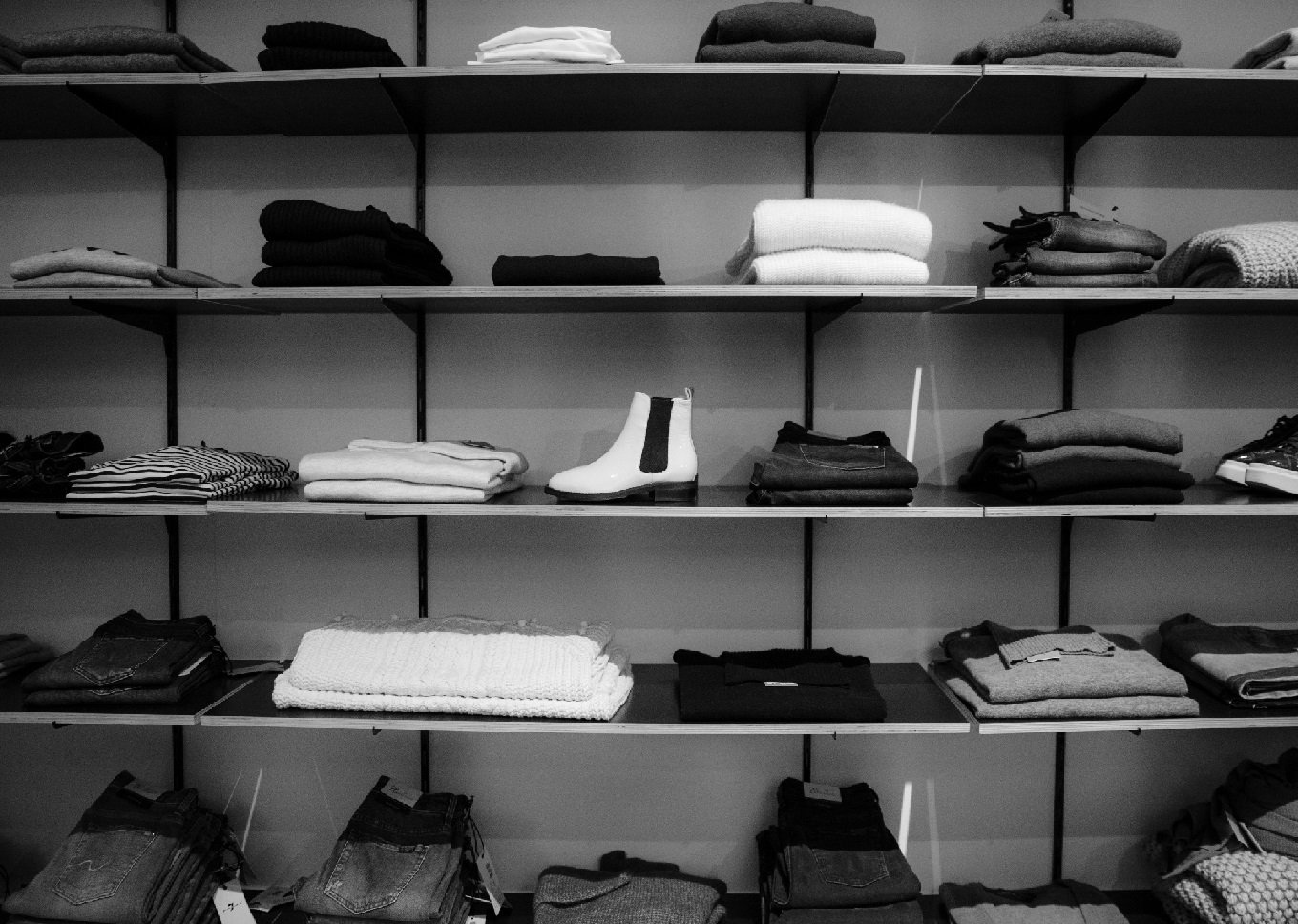
While deepfake technology can be a powerful tool for virtual fitting rooms and personalized shopping experiences, it also presents challenges and ethical considerations when it comes to women's clothing. One of the main concerns is the perpetuation of unrealistic beauty standards and body image issues. Deepfake challenges often feature idealized versions of women with digitally altered appearances, which can contribute to body dissatisfaction and low self-esteem among viewers. Another challenge posed by deepfake technology in women's clothing is the potential for misleading advertising and marketing practices. With the ability to seamlessly superimpose clothing onto models, brands can create hyper-realistic images that may not accurately represent how the clothing looks on a real person. This can lead to consumer distrust and disappointment when the purchased item does not match the digitally altered depiction. Additionally, there are concerns about privacy and consent when it comes to using deepfake technology in the fashion industry. Models' images and likenesses can be manipulated without their permission, raising issues of consent and control over one's own image. This lack of transparency and accountability can have serious implications for the individuals involved and the overall integrity of the fashion industry. As the fashion industry continues to embrace technology and digital innovations, it is important to address the challenges and ethical implications of deepfake technology in women's clothing. Striking a balance between creativity and responsibility is essential to ensure that fashion remains a positive and empowering form of self-expression for all individuals. By promoting authenticity, inclusivity, and ethical practices, the fashion industry can navigate the complexities of deepfake challenges and uphold the dignity and rights of women in the digital age.
https://impermeables.org
Leave a Comment:
SEARCH
Recent News
- Zurich, Switzerland is a vibrant city known for its picturesque landscapes, rich history, and diverse cultural scene. One fascinating aspect of Zurich's cultural tapestry is the influence of Sudanese culture in the city.
- Zurich, Switzerland, is renowned for its picturesque landscapes, vibrant culture, and thriving economy. However, thousands of kilometers away in Russia, agriculture plays a crucial role in the country's economy and food production.
- When looking at two diverse but equally fascinating destinations such as Zurich, Switzerland, and the rich culture of Quebec in Canada, it’s hard not to be captivated by the unique charm and beauty each has to offer.
- Zurich, Switzerland: A Hub for Hungarian Culture
- Zurich, Switzerland is a picturesque city known for its stunning landscapes, historic architecture, and vibrant culture. On the other hand, Honduras is a country rich in history and cultural diversity. Let's explore the contrasting beauty of Zurich, Switzerland and the colorful traditions of Honduras.
- Zurich, Switzerland is a vibrant city known for its stunning beauty, high quality of life, and rich cultural scene. One of the many diverse cultural influences found in Zurich is that of Ethiopian culture. Ethiopians have been making significant contributions to the cultural landscape of Zurich, bringing their unique traditions, music, cuisine, and art to the city.
- Cancel culture has been a hotly debated topic in recent years, and its impact can be seen around the world, including in Zurich, Switzerland. As a vibrant and cosmopolitan city, Zurich is not immune to the effects of cancel culture, which involves boycotting or ostracizing individuals or groups deemed to have behaved in a controversial or offensive manner.
- Zurich, Switzerland is a city known for its stunning architecture, pristine lake, and vibrant cultural scene. Home to a diverse population, Zurich also attracts residents and visitors from all over the world, including those from Bolivia who bring their rich cultural heritage with them.
READ MORE
9 months ago Category :

Zurich, Switzerland is a vibrant city known for its picturesque landscapes, rich history, and diverse cultural scene. One fascinating aspect of Zurich's cultural tapestry is the influence of Sudanese culture in the city.
Read More →9 months ago Category :

Zurich, Switzerland, is renowned for its picturesque landscapes, vibrant culture, and thriving economy. However, thousands of kilometers away in Russia, agriculture plays a crucial role in the country's economy and food production.
Read More →9 months ago Category :

When looking at two diverse but equally fascinating destinations such as Zurich, Switzerland, and the rich culture of Quebec in Canada, it’s hard not to be captivated by the unique charm and beauty each has to offer.
Read More →9 months ago Category :
