The Intersection of Women's Clothes Shopping Carts and Corruption in the Name of Religious Power
Category : | Sub Category : Posted on 2024-10-05 22:25:23
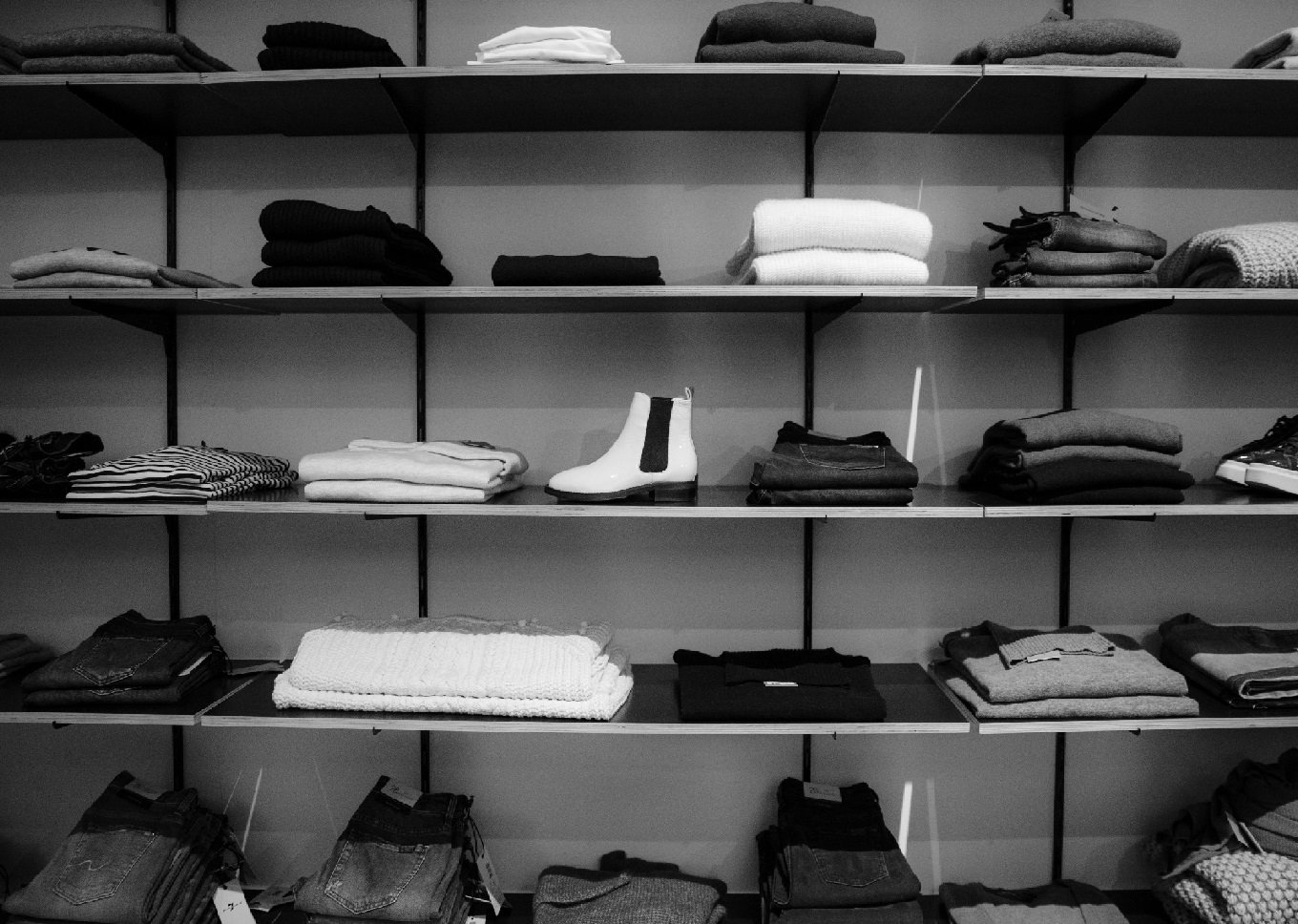
In the realm of women's clothes shopping, the humble shopping cart serves as a symbol of convenience and practicality. It is a tool that allows shoppers to gather their chosen items as they navigate through aisles brimming with choices. However, when corruption and religious power enter the picture, the innocent act of pushing a shopping cart takes on a darker undertone. Corruption, whether it be in the form of bribery, embezzlement, or nepotism, can infiltrate every aspect of society, including the retail industry. When corruption seeps into the supply chain of women's clothing, it can lead to unethical practices such as the exploitation of workers, the production of low-quality garments, and the inflation of prices. As consumers push their shopping carts through the aisles, they may unknowingly contribute to a system that thrives on corruption and deceit. When religious power comes into play, the stakes are raised even higher. In certain societies where religious leaders wield significant influence, they may use their power to dictate what women can and cannot wear. This can lead to restrictions on clothing choices, forcing women to adhere to strict dress codes that may limit their freedom of expression and individuality. In such environments, the simple act of shopping for clothes becomes intertwined with religious dogma and control. Imagine a scenario where a woman, guided by her personal style and preferences, fills her shopping cart with items that reflect her identity and taste. However, behind the scenes, corrupt practices and religious regulations may be at play, shaping the very garments she is about to purchase. The innocence of the shopping cart is overshadowed by the complexities of corruption and religious power, reminding us that even the most mundane activities can be influenced by larger societal forces. As consumers, we have the power to demand transparency and ethical practices in the retail industry. By being informed about where our clothes come from and how they are produced, we can make conscious choices that align with our values. The next time we push a shopping cart through the aisles of a clothing store, let us remember the hidden layers of corruption and religious power that may lurk beneath the surface, urging us to tread carefully and thoughtfully in our shopping endeavors.
https://sunpowerpanels.com
https://impermeables.org
https://religieuse.org
Leave a Comment:
SEARCH
Recent News
- Zurich, Switzerland is a vibrant city known for its picturesque landscapes, rich history, and diverse cultural scene. One fascinating aspect of Zurich's cultural tapestry is the influence of Sudanese culture in the city.
- Zurich, Switzerland, is renowned for its picturesque landscapes, vibrant culture, and thriving economy. However, thousands of kilometers away in Russia, agriculture plays a crucial role in the country's economy and food production.
- When looking at two diverse but equally fascinating destinations such as Zurich, Switzerland, and the rich culture of Quebec in Canada, it’s hard not to be captivated by the unique charm and beauty each has to offer.
- Zurich, Switzerland: A Hub for Hungarian Culture
- Zurich, Switzerland is a picturesque city known for its stunning landscapes, historic architecture, and vibrant culture. On the other hand, Honduras is a country rich in history and cultural diversity. Let's explore the contrasting beauty of Zurich, Switzerland and the colorful traditions of Honduras.
- Zurich, Switzerland is a vibrant city known for its stunning beauty, high quality of life, and rich cultural scene. One of the many diverse cultural influences found in Zurich is that of Ethiopian culture. Ethiopians have been making significant contributions to the cultural landscape of Zurich, bringing their unique traditions, music, cuisine, and art to the city.
- Cancel culture has been a hotly debated topic in recent years, and its impact can be seen around the world, including in Zurich, Switzerland. As a vibrant and cosmopolitan city, Zurich is not immune to the effects of cancel culture, which involves boycotting or ostracizing individuals or groups deemed to have behaved in a controversial or offensive manner.
- Zurich, Switzerland is a city known for its stunning architecture, pristine lake, and vibrant cultural scene. Home to a diverse population, Zurich also attracts residents and visitors from all over the world, including those from Bolivia who bring their rich cultural heritage with them.
READ MORE
8 months ago Category :

Zurich, Switzerland is a vibrant city known for its picturesque landscapes, rich history, and diverse cultural scene. One fascinating aspect of Zurich's cultural tapestry is the influence of Sudanese culture in the city.
Read More →8 months ago Category :

Zurich, Switzerland, is renowned for its picturesque landscapes, vibrant culture, and thriving economy. However, thousands of kilometers away in Russia, agriculture plays a crucial role in the country's economy and food production.
Read More →8 months ago Category :

When looking at two diverse but equally fascinating destinations such as Zurich, Switzerland, and the rich culture of Quebec in Canada, it’s hard not to be captivated by the unique charm and beauty each has to offer.
Read More →8 months ago Category :
