Unveiling the Scam in the Women's Clothing Supply Chain
Category : | Sub Category : Posted on 2024-10-05 22:25:23
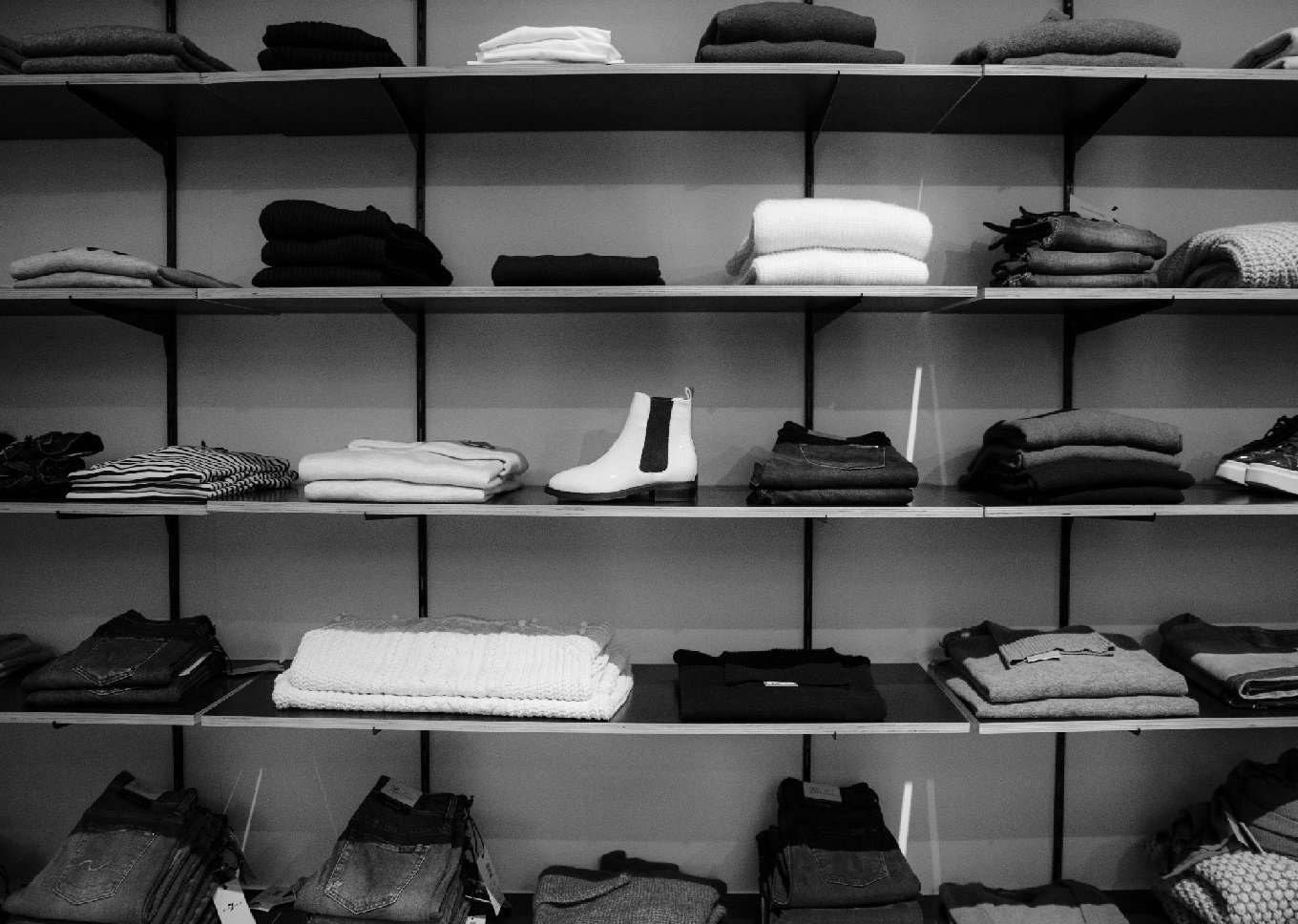
the fashion industry is filled with creativity, style, and trend-setting designs that captivate consumers worldwide. However, amidst the allure of the latest fashion pieces lies a dark reality - the presence of scams within the women's clothing supply chain. The journey of a piece of clothing from design to production to the end consumer is a complex one, with multiple stages and players involved. Unfortunately, this complexity also provides opportunities for unscrupulous individuals to exploit vulnerabilities and engage in fraudulent activities. One common scam in the women's clothing supply chain is the misrepresentation of product quality. Some unethical suppliers may promise high-quality materials and workmanship but deliver substandard products instead. This not only deceives consumers but also tarnishes the reputation of legitimate businesses that value quality and integrity. Another prevalent scam is the exploitation of labor, especially in developing countries where garment factories often operate under poor working conditions and pay workers below minimum wage. Women, in particular, are disproportionately affected by this exploitation, facing long hours, low pay, and little job security. Furthermore, there are instances of counterfeit products being introduced into the supply chain, deceiving consumers into purchasing imitation designer clothing at full price. This not only leads to financial losses for consumers but also damages the brand reputation of genuine designers and retailers. To combat these scams in the women's clothing supply chain, it is crucial for businesses to prioritize transparency, ethical sourcing practices, and fair labor standards. Conducting thorough due diligence on suppliers, implementing supply chain traceability measures, and engaging in partnerships with ethical manufacturers are essential steps towards ensuring accountability and integrity. Consumers also play a vital role in fighting scams by being vigilant, researching brands and products before making a purchase, and supporting businesses that uphold ethical standards. By choosing to support transparency and sustainability in the fashion industry, consumers can drive positive change and contribute to a more ethical supply chain. In conclusion, the presence of scams in the women's clothing supply chain is a concerning issue that requires collective action from industry stakeholders and consumers alike. By raising awareness, fostering transparency, and advocating for ethical practices, we can strive towards a fashion industry that values integrity, fairness, and sustainability at every stage of the supply chain. Together, we can work towards a future where women's clothing is not only fashionable but also ethically produced and sourced.
https://impermeables.org
Leave a Comment:
SEARCH
Recent News
- Zurich, Switzerland is a vibrant city known for its picturesque landscapes, rich history, and diverse cultural scene. One fascinating aspect of Zurich's cultural tapestry is the influence of Sudanese culture in the city.
- Zurich, Switzerland, is renowned for its picturesque landscapes, vibrant culture, and thriving economy. However, thousands of kilometers away in Russia, agriculture plays a crucial role in the country's economy and food production.
- When looking at two diverse but equally fascinating destinations such as Zurich, Switzerland, and the rich culture of Quebec in Canada, it’s hard not to be captivated by the unique charm and beauty each has to offer.
- Zurich, Switzerland: A Hub for Hungarian Culture
- Zurich, Switzerland is a picturesque city known for its stunning landscapes, historic architecture, and vibrant culture. On the other hand, Honduras is a country rich in history and cultural diversity. Let's explore the contrasting beauty of Zurich, Switzerland and the colorful traditions of Honduras.
- Zurich, Switzerland is a vibrant city known for its stunning beauty, high quality of life, and rich cultural scene. One of the many diverse cultural influences found in Zurich is that of Ethiopian culture. Ethiopians have been making significant contributions to the cultural landscape of Zurich, bringing their unique traditions, music, cuisine, and art to the city.
- Cancel culture has been a hotly debated topic in recent years, and its impact can be seen around the world, including in Zurich, Switzerland. As a vibrant and cosmopolitan city, Zurich is not immune to the effects of cancel culture, which involves boycotting or ostracizing individuals or groups deemed to have behaved in a controversial or offensive manner.
- Zurich, Switzerland is a city known for its stunning architecture, pristine lake, and vibrant cultural scene. Home to a diverse population, Zurich also attracts residents and visitors from all over the world, including those from Bolivia who bring their rich cultural heritage with them.
READ MORE
8 months ago Category :

Zurich, Switzerland is a vibrant city known for its picturesque landscapes, rich history, and diverse cultural scene. One fascinating aspect of Zurich's cultural tapestry is the influence of Sudanese culture in the city.
Read More →8 months ago Category :

Zurich, Switzerland, is renowned for its picturesque landscapes, vibrant culture, and thriving economy. However, thousands of kilometers away in Russia, agriculture plays a crucial role in the country's economy and food production.
Read More →8 months ago Category :

When looking at two diverse but equally fascinating destinations such as Zurich, Switzerland, and the rich culture of Quebec in Canada, it’s hard not to be captivated by the unique charm and beauty each has to offer.
Read More →8 months ago Category :
