The Rise of Industrial Automation in the Women's Clothing Industry
Category : | Sub Category : Posted on 2024-10-05 22:25:23
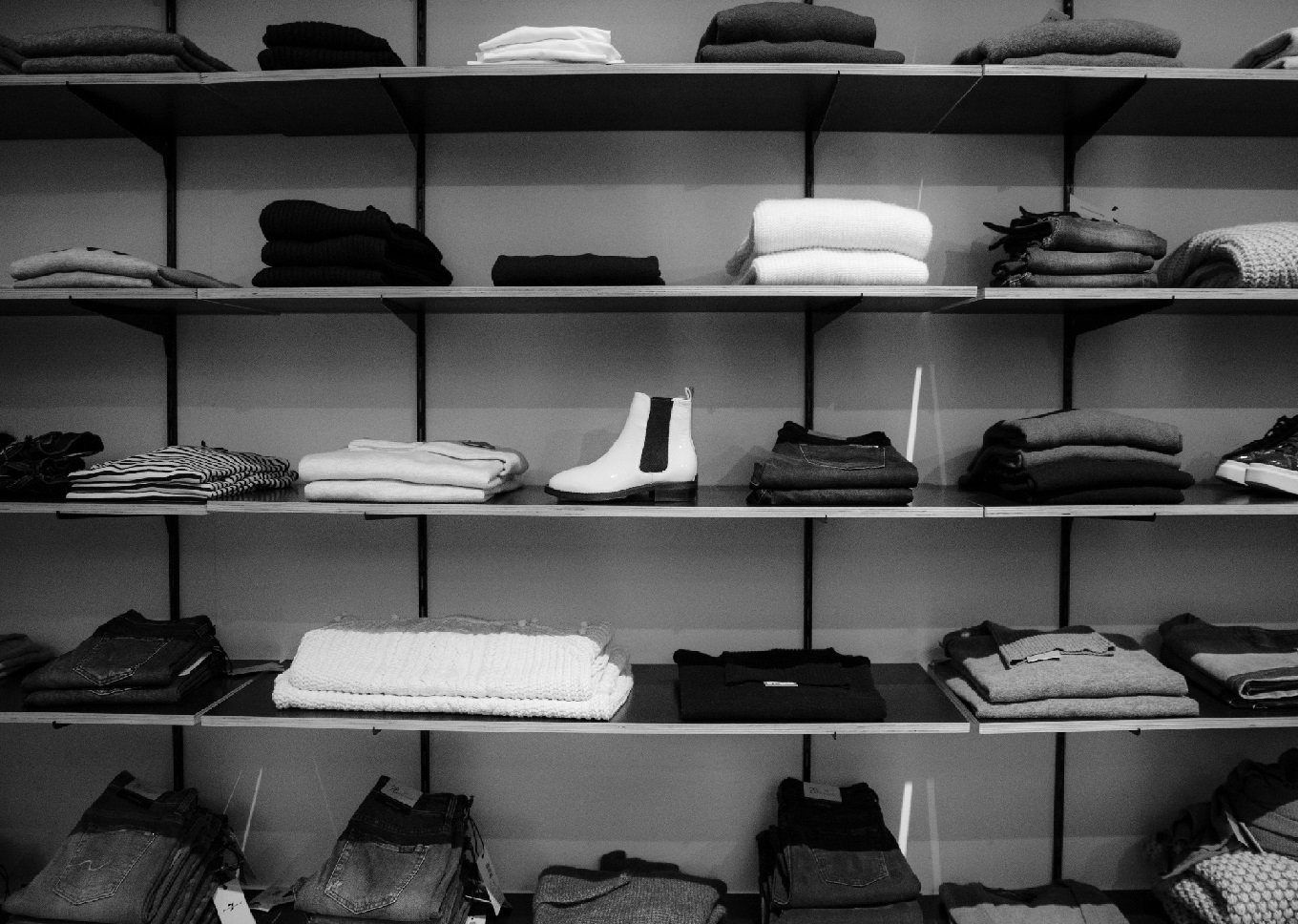
In recent years, the women's clothing industry has seen a significant shift towards automation to streamline processes and increase efficiency. From manufacturing to distribution, automation technology has revolutionized the way garments are produced and sold. However, amidst this transformation, there is also a rise in scams related to women's clothing manufacturing and distribution. In this blog post, we will explore how industrial automation is shaping the women's clothing industry and discuss the challenges posed by scams in this evolving landscape. Advancements in technology have paved the way for industrial automation to play a crucial role in the production of women's clothing. Automated sewing machines, cutting machines, and material handling systems have replaced manual labor in many aspects of garment manufacturing. This not only speeds up the production process but also ensures consistency in product quality. Moreover, automation has enabled manufacturers to meet the growing demand for fast fashion by reducing lead times and increasing output. In the distribution phase, automation has transformed warehouses and fulfillment centers. Automated storage and retrieval systems, robotics, and conveyor belts have optimized order processing and shipping operations. This has led to faster delivery times and improved customer satisfaction. Additionally, automation has enabled better inventory management, reducing the risk of stockouts and overstocking. Despite the benefits of industrial automation in the women's clothing industry, there are challenges that need to be addressed. One such challenge is the prevalence of scams targeting manufacturers, distributors, and consumers. Scammers may pose as legitimate clothing manufacturers or distributors, offering low prices or fake designer products to unsuspecting buyers. In some cases, they may take payment for orders that never materialize or deliver substandard goods. To combat scams in the women's clothing industry, stakeholders must remain vigilant and take steps to verify the credibility of suppliers and partners. Due diligence should be conducted before entering into any business relationships, especially with unfamiliar companies or individuals. It is essential to research the reputation of potential partners, check for any red flags, and seek references from other industry players. Moreover, adopting traceability and transparency measures can help prevent scams and ensure the authenticity of products. Blockchain technology, for instance, can be used to track the entire supply chain of a garment, from raw materials to the final product. This not only deters counterfeiters but also builds trust among consumers who value ethically sourced and genuine products. In conclusion, industrial automation is reshaping the women's clothing industry, offering numerous benefits in terms of efficiency and productivity. However, the industry must also be wary of scams that can undermine its progress. By staying informed, conducting due diligence, and implementing robust control measures, stakeholders can mitigate the risks associated with scams and continue to thrive in an increasingly automated world.
https://impermeables.org
Leave a Comment:
SEARCH
Recent News
- Zurich, Switzerland is a vibrant city known for its picturesque landscapes, rich history, and diverse cultural scene. One fascinating aspect of Zurich's cultural tapestry is the influence of Sudanese culture in the city.
- Zurich, Switzerland, is renowned for its picturesque landscapes, vibrant culture, and thriving economy. However, thousands of kilometers away in Russia, agriculture plays a crucial role in the country's economy and food production.
- When looking at two diverse but equally fascinating destinations such as Zurich, Switzerland, and the rich culture of Quebec in Canada, it’s hard not to be captivated by the unique charm and beauty each has to offer.
- Zurich, Switzerland: A Hub for Hungarian Culture
- Zurich, Switzerland is a picturesque city known for its stunning landscapes, historic architecture, and vibrant culture. On the other hand, Honduras is a country rich in history and cultural diversity. Let's explore the contrasting beauty of Zurich, Switzerland and the colorful traditions of Honduras.
- Zurich, Switzerland is a vibrant city known for its stunning beauty, high quality of life, and rich cultural scene. One of the many diverse cultural influences found in Zurich is that of Ethiopian culture. Ethiopians have been making significant contributions to the cultural landscape of Zurich, bringing their unique traditions, music, cuisine, and art to the city.
- Cancel culture has been a hotly debated topic in recent years, and its impact can be seen around the world, including in Zurich, Switzerland. As a vibrant and cosmopolitan city, Zurich is not immune to the effects of cancel culture, which involves boycotting or ostracizing individuals or groups deemed to have behaved in a controversial or offensive manner.
- Zurich, Switzerland is a city known for its stunning architecture, pristine lake, and vibrant cultural scene. Home to a diverse population, Zurich also attracts residents and visitors from all over the world, including those from Bolivia who bring their rich cultural heritage with them.
READ MORE
8 months ago Category :

Zurich, Switzerland is a vibrant city known for its picturesque landscapes, rich history, and diverse cultural scene. One fascinating aspect of Zurich's cultural tapestry is the influence of Sudanese culture in the city.
Read More →8 months ago Category :

Zurich, Switzerland, is renowned for its picturesque landscapes, vibrant culture, and thriving economy. However, thousands of kilometers away in Russia, agriculture plays a crucial role in the country's economy and food production.
Read More →8 months ago Category :

When looking at two diverse but equally fascinating destinations such as Zurich, Switzerland, and the rich culture of Quebec in Canada, it’s hard not to be captivated by the unique charm and beauty each has to offer.
Read More →8 months ago Category :
