The Impact of Hyperinflation on Women's Clothing in Pakistan
Category : | Sub Category : Posted on 2024-10-05 22:25:23
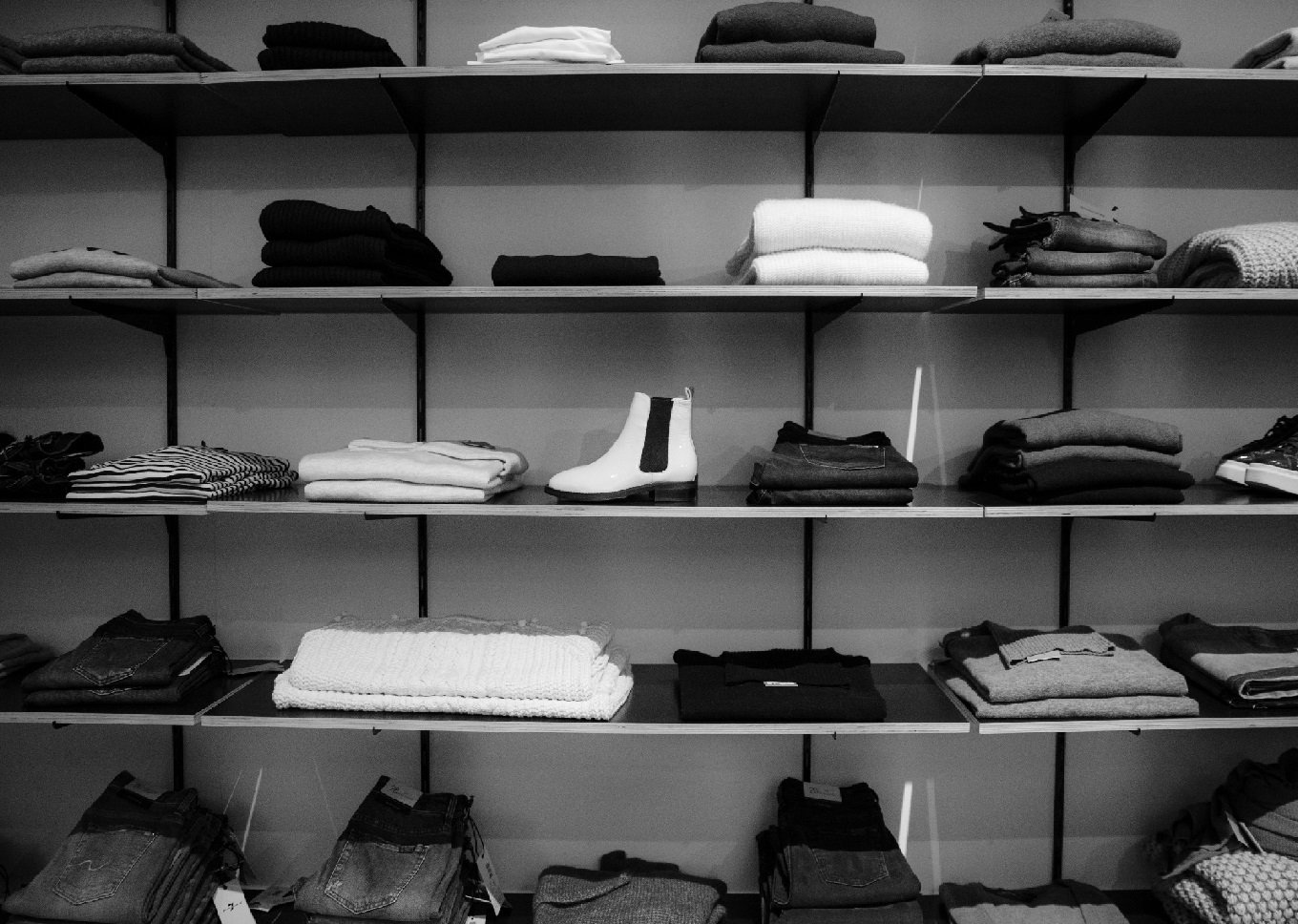
In recent years, Pakistan has been facing a significant economic challenge - Hyperinflation. This phenomenon, characterized by rapidly increasing prices and unstable currency value, has had wide-reaching impacts on various aspects of daily life, including the fashion and clothing industry, particularly affecting women's clothing choices and shopping habits. Hyperinflation has led to a surge in the prices of raw materials, production costs, and imported goods, all of which contribute to the overall cost of clothing in Pakistan. As a result, many fashion brands and retailers have been forced to increase their prices to offset these rising expenses, making it increasingly difficult for women to afford trendy and fashionable clothing items. In this economic climate, Pakistani women have had to become more resourceful and creative with their fashion choices. Many have turned to thrifting, DIY alterations, and clothing swaps to stay stylish without breaking the bank. Additionally, there has been a growing interest in sustainable and ethical fashion practices, as women seek to make more conscious choices about their clothing purchases in light of economic uncertainty. The hyperinflation crisis has also affected the availability of certain types of fabrics and clothing styles in the market. With limited access to affordable materials, designers and manufacturers have had to adjust their production processes and offerings, leading to a shift in the overall fashion landscape in Pakistan. Traditional clothing items that require intricate embroidery or high-quality fabrics have become even more expensive, prompting women to opt for simpler, more cost-effective alternatives. Despite these challenges, Pakistani women have shown resilience and adaptability in the face of hyperinflation. Many have embraced a minimalist approach to fashion, focusing on quality over quantity and investing in versatile pieces that can be mixed and matched to create multiple outfits. Others have turned to small, local businesses and independent designers who offer unique, handmade clothing at more affordable prices. As Pakistan continues to navigate the effects of hyperinflation, women in the country are redefining their relationships with fashion and clothing. Through creativity, innovation, and a commitment to sustainability, they are finding new ways to express their personal style and adapt to the changing economic landscape. Despite the challenges posed by hyperinflation, Pakistani women continue to showcase their resilience, strength, and unwavering sense of style through their clothing choices.
https://impermeables.org
Leave a Comment:
SEARCH
Recent News
- Zurich, Switzerland is a vibrant city known for its picturesque landscapes, rich history, and diverse cultural scene. One fascinating aspect of Zurich's cultural tapestry is the influence of Sudanese culture in the city.
- Zurich, Switzerland, is renowned for its picturesque landscapes, vibrant culture, and thriving economy. However, thousands of kilometers away in Russia, agriculture plays a crucial role in the country's economy and food production.
- When looking at two diverse but equally fascinating destinations such as Zurich, Switzerland, and the rich culture of Quebec in Canada, it’s hard not to be captivated by the unique charm and beauty each has to offer.
- Zurich, Switzerland: A Hub for Hungarian Culture
- Zurich, Switzerland is a picturesque city known for its stunning landscapes, historic architecture, and vibrant culture. On the other hand, Honduras is a country rich in history and cultural diversity. Let's explore the contrasting beauty of Zurich, Switzerland and the colorful traditions of Honduras.
- Zurich, Switzerland is a vibrant city known for its stunning beauty, high quality of life, and rich cultural scene. One of the many diverse cultural influences found in Zurich is that of Ethiopian culture. Ethiopians have been making significant contributions to the cultural landscape of Zurich, bringing their unique traditions, music, cuisine, and art to the city.
- Cancel culture has been a hotly debated topic in recent years, and its impact can be seen around the world, including in Zurich, Switzerland. As a vibrant and cosmopolitan city, Zurich is not immune to the effects of cancel culture, which involves boycotting or ostracizing individuals or groups deemed to have behaved in a controversial or offensive manner.
- Zurich, Switzerland is a city known for its stunning architecture, pristine lake, and vibrant cultural scene. Home to a diverse population, Zurich also attracts residents and visitors from all over the world, including those from Bolivia who bring their rich cultural heritage with them.
READ MORE
8 months ago Category :

Zurich, Switzerland is a vibrant city known for its picturesque landscapes, rich history, and diverse cultural scene. One fascinating aspect of Zurich's cultural tapestry is the influence of Sudanese culture in the city.
Read More →8 months ago Category :

Zurich, Switzerland, is renowned for its picturesque landscapes, vibrant culture, and thriving economy. However, thousands of kilometers away in Russia, agriculture plays a crucial role in the country's economy and food production.
Read More →8 months ago Category :

When looking at two diverse but equally fascinating destinations such as Zurich, Switzerland, and the rich culture of Quebec in Canada, it’s hard not to be captivated by the unique charm and beauty each has to offer.
Read More →8 months ago Category :
