**The Rising Trend of Complaints Regarding Women's Clothes in Japan**
Category : | Sub Category : Posted on 2024-10-05 22:25:23
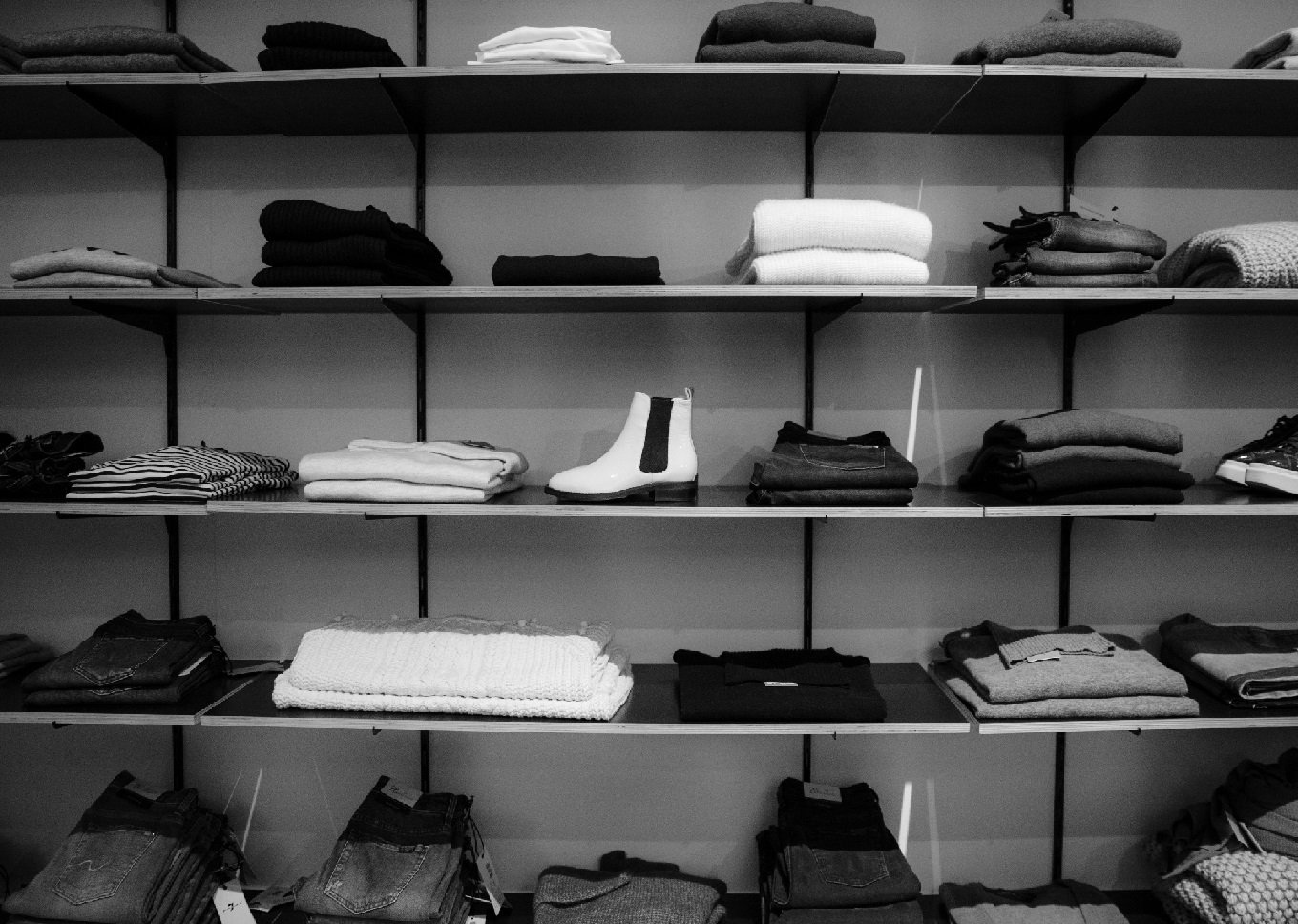
In recent years, Japan has become known for its unique and fashion-forward clothing options for women. From trendy streetwear to traditional kimono styles, Japanese fashion has captivated the attention of fashion enthusiasts worldwide. However, amid the popularity of Japanese women's clothing, there has been a rising trend of complaints regarding various aspects of the industry. One common complaint voiced by consumers is the issue of sizing inconsistency. Many women have expressed frustration over the lack of standardized sizing in Japanese clothing brands, making it difficult to find items that fit properly. This discrepancy in sizing can lead to confusion and disappointment among shoppers, especially those ordering online. The discrepancy often arises due to differences in sizing charts and variations in body types catered to by different brands. Another prevalent issue that has drawn criticism is the quality of materials used in women's clothing. While Japan is famed for its attention to detail and craftsmanship, some consumers have raised concerns about the quality of fabrics and construction in certain garments. Complaints range from easily wrinkled fabrics to seams coming apart after just a few wears. This dissatisfaction with the quality of clothing has prompted some customers to question the value for money when purchasing Japanese women's fashion. Furthermore, there have been complaints regarding the limited range of sizes offered by many Japanese clothing brands. Plus-size individuals, in particular, have voiced their frustration over the lack of inclusive sizing options available in the Japanese fashion market. This exclusionary approach to sizing not only alienates potential customers but also perpetuates unrealistic body standards within the industry. On top of these issues, some consumers have criticized the lack of diversity and representation in Japanese women's clothing advertising and marketing campaigns. Many feel that the industry predominantly showcases a narrow definition of beauty, promoting unattainable standards that do not reflect the diversity of women's bodies and identities. This lack of representation has sparked conversations about the need for greater inclusivity and diversity in the portrayal of women in fashion media. Despite these complaints, it is important to note that the Japanese fashion industry is not homogeneous, and there are brands and designers that prioritize inclusivity, sustainability, and ethical practices. As consumer awareness and demands for transparency continue to grow, it is likely that the industry will see positive changes in response to these criticisms. In conclusion, while Japanese women's fashion has gained global recognition for its innovative designs and cutting-edge aesthetics, it is essential to address the legitimate concerns and complaints raised by consumers. By listening to feedback, promoting inclusivity, and upholding high-quality standards, the Japanese fashion industry can strive towards creating a more accessible and diverse clothing market for women of all shapes and sizes.
https://impermeables.org
Leave a Comment:
SEARCH
Recent News
- Zurich, Switzerland is a vibrant city known for its picturesque landscapes, rich history, and diverse cultural scene. One fascinating aspect of Zurich's cultural tapestry is the influence of Sudanese culture in the city.
- Zurich, Switzerland, is renowned for its picturesque landscapes, vibrant culture, and thriving economy. However, thousands of kilometers away in Russia, agriculture plays a crucial role in the country's economy and food production.
- When looking at two diverse but equally fascinating destinations such as Zurich, Switzerland, and the rich culture of Quebec in Canada, it’s hard not to be captivated by the unique charm and beauty each has to offer.
- Zurich, Switzerland: A Hub for Hungarian Culture
- Zurich, Switzerland is a picturesque city known for its stunning landscapes, historic architecture, and vibrant culture. On the other hand, Honduras is a country rich in history and cultural diversity. Let's explore the contrasting beauty of Zurich, Switzerland and the colorful traditions of Honduras.
- Zurich, Switzerland is a vibrant city known for its stunning beauty, high quality of life, and rich cultural scene. One of the many diverse cultural influences found in Zurich is that of Ethiopian culture. Ethiopians have been making significant contributions to the cultural landscape of Zurich, bringing their unique traditions, music, cuisine, and art to the city.
- Cancel culture has been a hotly debated topic in recent years, and its impact can be seen around the world, including in Zurich, Switzerland. As a vibrant and cosmopolitan city, Zurich is not immune to the effects of cancel culture, which involves boycotting or ostracizing individuals or groups deemed to have behaved in a controversial or offensive manner.
- Zurich, Switzerland is a city known for its stunning architecture, pristine lake, and vibrant cultural scene. Home to a diverse population, Zurich also attracts residents and visitors from all over the world, including those from Bolivia who bring their rich cultural heritage with them.
READ MORE
7 months ago Category :

Zurich, Switzerland is a vibrant city known for its picturesque landscapes, rich history, and diverse cultural scene. One fascinating aspect of Zurich's cultural tapestry is the influence of Sudanese culture in the city.
Read More →7 months ago Category :

Zurich, Switzerland, is renowned for its picturesque landscapes, vibrant culture, and thriving economy. However, thousands of kilometers away in Russia, agriculture plays a crucial role in the country's economy and food production.
Read More →7 months ago Category :

When looking at two diverse but equally fascinating destinations such as Zurich, Switzerland, and the rich culture of Quebec in Canada, it’s hard not to be captivated by the unique charm and beauty each has to offer.
Read More →7 months ago Category :
