Navigating Contradictions: Women's Clothing Choices in the Employment and Job Market
Category : | Sub Category : Posted on 2024-10-05 22:25:23
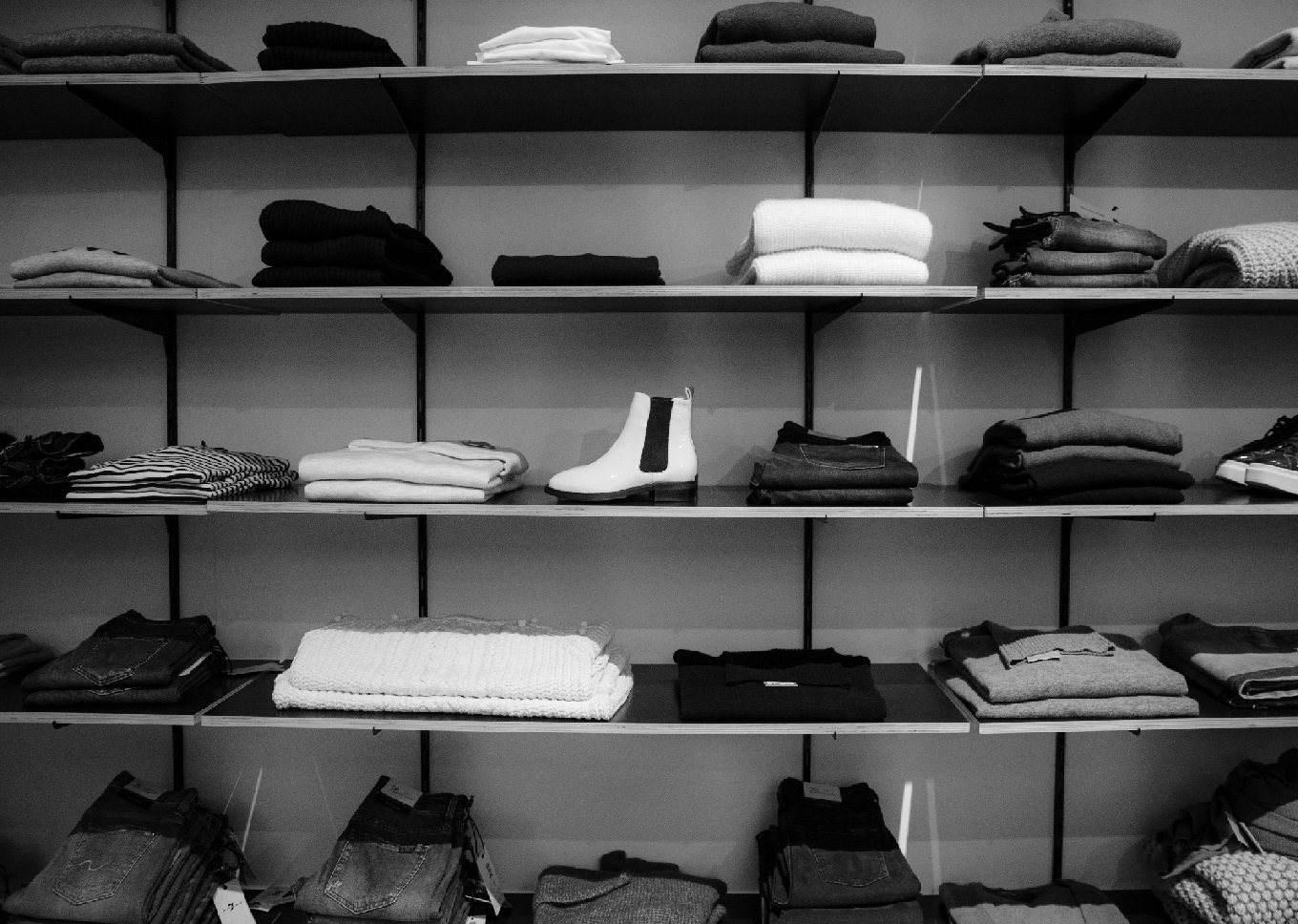
In the ever-evolving landscape of the employment and job market, women often find themselves navigating a complex web of expectations and contradictions when it comes to their clothing choices. The way women present themselves through their attire can have a significant impact on their career advancement, yet the guidelines for appropriate work attire can be both varied and ambiguous. This creates a challenge for many women as they strive to strike a balance between professionalism, personal style, and societal expectations. One of the most common contradictions that women face in the workplace is the pressure to dress in a way that is both feminine and authoritative. Traditional notions of femininity often emphasize modesty, soft colors, and form-fitting silhouettes, while authority is associated with more structured, neutral-toned clothing. This juxtaposition can leave women feeling torn between wanting to express their personal style and conforming to standards of professionalism that may feel restrictive or antiquated. Additionally, the expectations around women's clothing in the workplace can vary greatly depending on the industry, company culture, and geographical location. While some workplaces have strict dress codes that dictate everything from the length of skirts to the height of heels, others prioritize creativity and self-expression, allowing employees more freedom in their clothing choices. This can create confusion for women as they try to navigate the unwritten rules of dress while projecting a professional image that aligns with their career goals. In recent years, there has been a growing movement towards gender-neutral or unisex dress codes in the workplace, aimed at eliminating the disparities in expectations between men and women. However, even within these more inclusive policies, women may still encounter challenges in balancing their personal style with the need to be taken seriously in a professional setting. Despite these contradictions and challenges, many women are finding ways to assert their individuality through their clothing choices while still adhering to the expectations of the workplace. From statement accessories to tailored suiting, women are redefining what it means to dress professionally in a way that reflects their personalities and ambitions. As the employment and job market continue to evolve, it is imperative that we recognize and challenge the stereotypes and double standards that can impact women's clothing choices in the workplace. By promoting inclusivity, diversity, and self-expression, we can create a more equitable and empowering environment for all individuals to thrive in their careers, regardless of the clothes they choose to wear.
https://impermeables.org
https://continuar.org
Leave a Comment:
SEARCH
Recent News
- Zurich, Switzerland is a vibrant city known for its picturesque landscapes, rich history, and diverse cultural scene. One fascinating aspect of Zurich's cultural tapestry is the influence of Sudanese culture in the city.
- Zurich, Switzerland, is renowned for its picturesque landscapes, vibrant culture, and thriving economy. However, thousands of kilometers away in Russia, agriculture plays a crucial role in the country's economy and food production.
- When looking at two diverse but equally fascinating destinations such as Zurich, Switzerland, and the rich culture of Quebec in Canada, it’s hard not to be captivated by the unique charm and beauty each has to offer.
- Zurich, Switzerland: A Hub for Hungarian Culture
- Zurich, Switzerland is a picturesque city known for its stunning landscapes, historic architecture, and vibrant culture. On the other hand, Honduras is a country rich in history and cultural diversity. Let's explore the contrasting beauty of Zurich, Switzerland and the colorful traditions of Honduras.
- Zurich, Switzerland is a vibrant city known for its stunning beauty, high quality of life, and rich cultural scene. One of the many diverse cultural influences found in Zurich is that of Ethiopian culture. Ethiopians have been making significant contributions to the cultural landscape of Zurich, bringing their unique traditions, music, cuisine, and art to the city.
- Cancel culture has been a hotly debated topic in recent years, and its impact can be seen around the world, including in Zurich, Switzerland. As a vibrant and cosmopolitan city, Zurich is not immune to the effects of cancel culture, which involves boycotting or ostracizing individuals or groups deemed to have behaved in a controversial or offensive manner.
- Zurich, Switzerland is a city known for its stunning architecture, pristine lake, and vibrant cultural scene. Home to a diverse population, Zurich also attracts residents and visitors from all over the world, including those from Bolivia who bring their rich cultural heritage with them.
READ MORE
7 months ago Category :

Zurich, Switzerland is a vibrant city known for its picturesque landscapes, rich history, and diverse cultural scene. One fascinating aspect of Zurich's cultural tapestry is the influence of Sudanese culture in the city.
Read More →7 months ago Category :

Zurich, Switzerland, is renowned for its picturesque landscapes, vibrant culture, and thriving economy. However, thousands of kilometers away in Russia, agriculture plays a crucial role in the country's economy and food production.
Read More →7 months ago Category :

When looking at two diverse but equally fascinating destinations such as Zurich, Switzerland, and the rich culture of Quebec in Canada, it’s hard not to be captivated by the unique charm and beauty each has to offer.
Read More →7 months ago Category :
